
 SUBSCRIBE
 June 25, 2026



Inside BCS’ Fatherhood Program
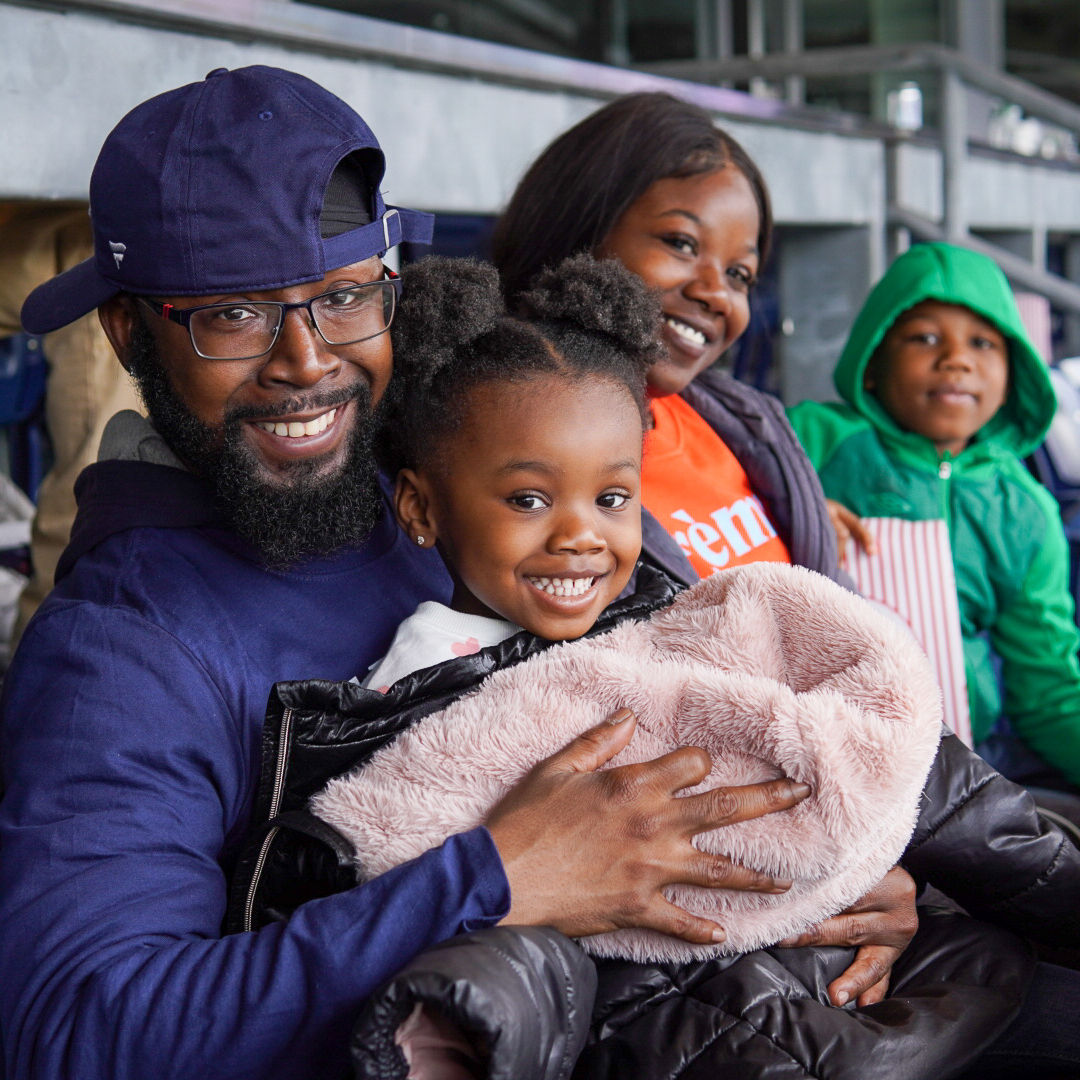
Strengthening Families and Communities,
One Father at a Time
Across Brooklyn, families rely on strong support systems to navigate the challenges of everyday life. But for many fathers — particularly those navigating complex co-parenting relationships or rebuilding connections with their children — those support systems can be difficult to find.
That’s where the BCS Fatherhood Program comes in.
The BCS Fatherhood Program provides fathers with a space to build community, strengthen parenting skills, and develop healthier relationships with their children and families. Through workshops, family events, and peer support, fathers can connect with other fathers who understand the realities of parenting while balancing work, relationships, and the pressures of daily life.
For Fatherhood Program Manager Chad Williams, the work is about more than simply offering parenting advice.
“We’re not just a fatherhood program,” Williams says. “We’re supporting families. We want to support the dad, but we also want to support their kids, their partners, their grandparents — the whole family.” Because when fathers are supported and uplifted, entire families benefit.
Research shows that fathers play a critical role in children’s development. Children with actively involved fathers are more likely to succeed in school, have stronger social skills, experience greater emotional well-being, and typically have fewer behavioral problems.
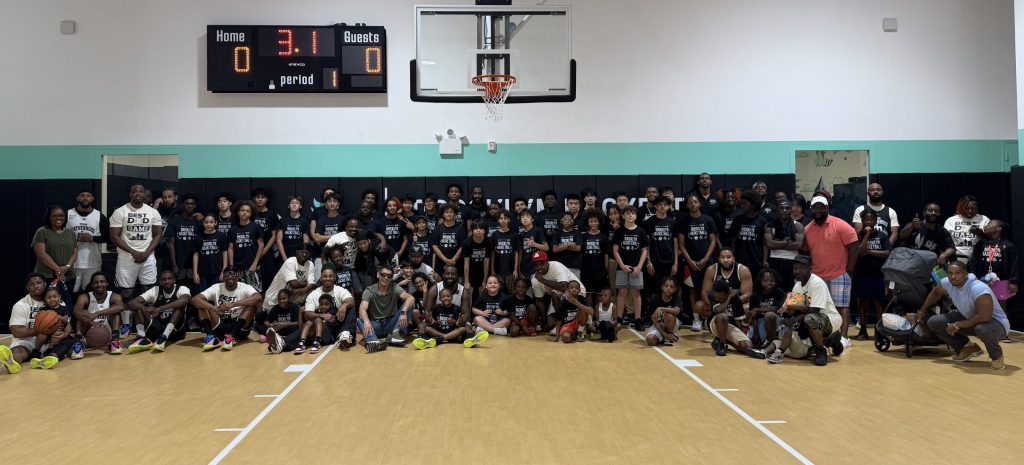
Fathers and youth participating in the 2nd annual Legacy Game.
At the same time, many families across the country are navigating parenting without consistent father involvement. According to data from the U.S. Census Bureau, nearly one in four children in the United States lives in a home without a father present. Studies have also shown that children growing up without engaged father figures may face greater risks of economic hardship and educational challenges.
But statistics rarely tell the full story.
Many times, when a father is not living in the same household as their children, data will point to the family as being fatherless. But we see in our communities that active parenting can also take place outside of the home. We see father who are working to rebuild relationships with their children even after difficult circumstances. Programs like the BCS Fatherhood Program are designed to support fathers and strengthen existing connections.
“A lot of people look at fathers in programs like this and assume they’re the problem,” Williams explains. “But these are dads who are showing up. They’re trying to do better for their families.”
Participants in the program attend workshops and group sessions focused on topics like emotional intelligence, communication, and healthy co-parenting. Fathers also take part in monthly family engagement activities, such as game nights, outings, and other opportunities to strengthen their relationships with their children.
These activities are meant to create space for fathers and families to spend time together while learning tools to use at home.
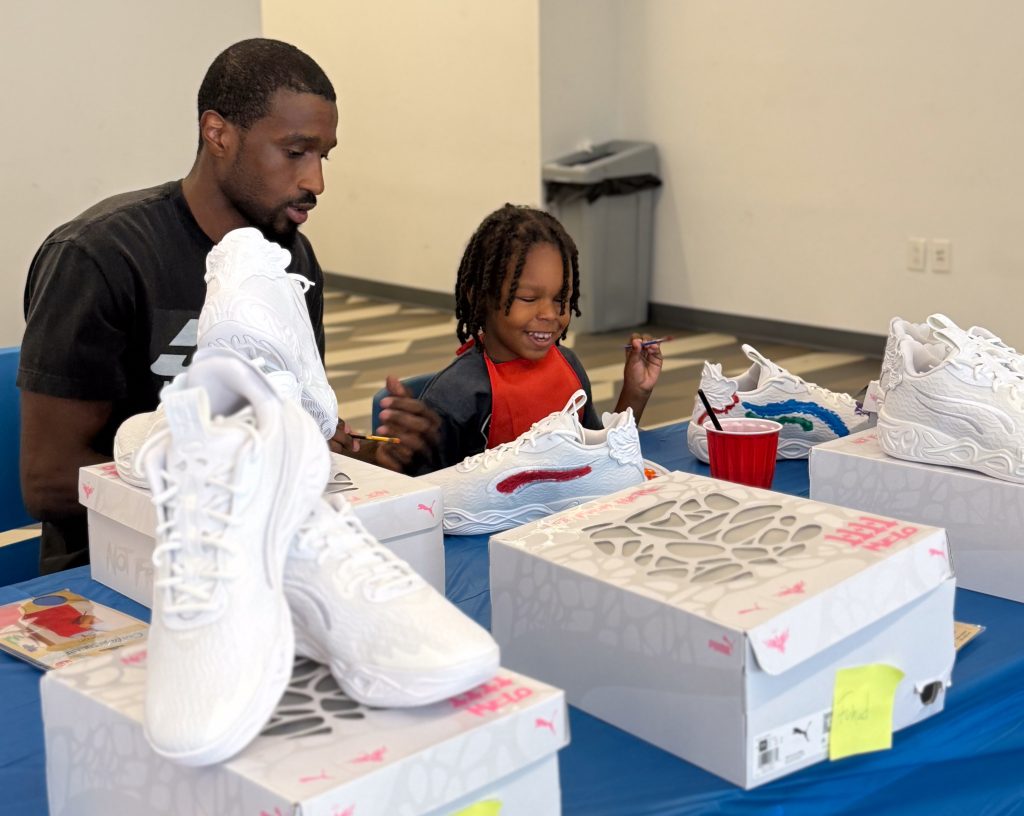
One area the program focuses on heavily is helping fathers stay involved in their children’s education. Initiatives like Dad Take Your Child to School Day encourage fathers to take an active role in their child’s academic life and maintain strong communication with teachers and schools.
“One of the biggest things we focus on is getting dads involved in their child’s education,” Williams says. “Taking them to school, calling teachers, and asking how they can support their child. Those moments matter.”
Beyond workshops and events, the Fatherhood Program connects participants with additional resources, including mediation support, counseling, and referrals to community services to help families navigate challenges outside the home.
For many fathers, though, one of the most valuable parts of the program is the space it creates for honest conversation.
Many participants enter the program carrying pressure — to provide for their families, to appear strong, or to navigate difficult situations on their own. The program encourages fathers to speak openly about those experiences without fear of judgment.
“We normalize it,” Williams says. “That first intake session is really their time. They can vent about what they’re going through without someone judging them.”
For Williams, creating that kind of space is essential to helping fathers move forward.
“Sometimes fathers come in with a big bark,” he explains. “But that bark usually comes from fear — fear that they’re not doing enough, or that they can’t provide the way they want to.”
When fathers feel safe enough to open up, the conversations that follow often lead to meaningful breakthroughs.
In one session, a father asked the group for help supporting his teenage son, who had become involved in gang activity. During the conversation, another father spoke up and said he had grown up in similar circumstances. The discussion quickly turned into a powerful exchange between fathers who understood the situation from lived experience.
“It was one of those moments where the group ran itself,” Williams recalls. “The dads started talking to him, sharing their experiences. It became a full circle moment where everyone was learning from each other.”
Moments like these reflect the heart of the Fatherhood Program: fathers supporting fathers, learning together, and building stronger families in the process.
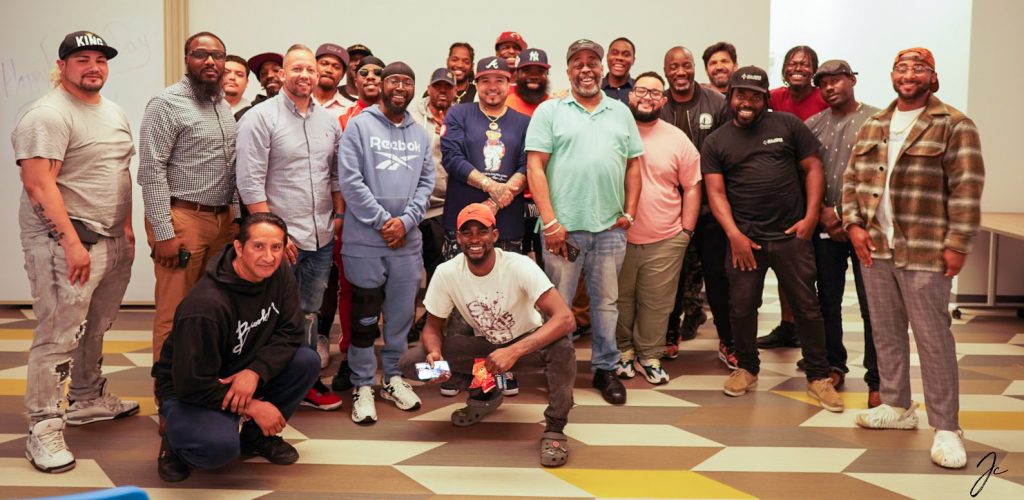
Programs like this also play an important role in challenging stereotypes around fatherhood in communities like Brownsville. When public narratives are focusing on father absences, we are focusing on the fathers who show up and want to have deep involvement in their children’s lives.
“People need to remember that these fathers are human,” Williams says. “They make mistakes like everyone else, but they’re also trying. They’re trying to show up for their families.”
In neighborhoods across Brooklyn, where families often face economic pressures, housing instability, and limited access to resources, programs that strengthen family relationships can have a lasting impact.
The BCS Fatherhood Program works to ensure that fathers remain part of the support systems their families depend on.
Through education, mentorship, and community building, fathers are equipped with tools to strengthen their relationships with their children and support their families.
For Williams, the purpose of the work is simple.
“This work matters because I get to help my community,” he says. “I get to help bring families together.”
And when fathers are supported, the impact extends far beyond a single household. It strengthens Brooklyn.
Are you or someone you know interested in joining a community of Fathers who uplift, motivate, and support one another? Complete our application form and someone from the Fatherhood team will reach out with more information.
Top Viewed Posts
Youth Art Programs
BCS Volunteers Spring into Action for Brooklyn
Program Spotlight: Day Habilitation
Recent News
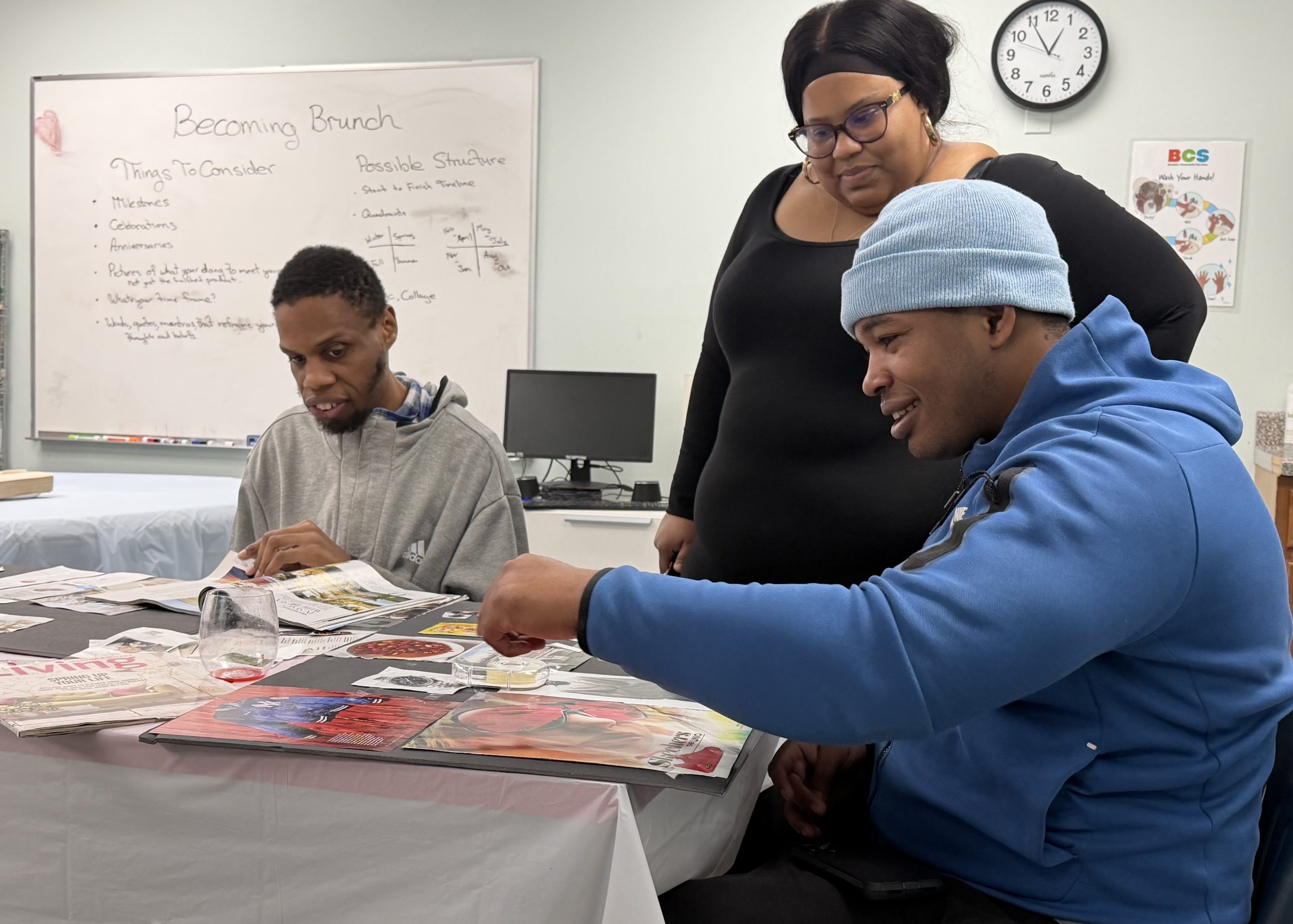
How BCS Supports Mental Health Across Brooklyn
October 20, 2026
Read More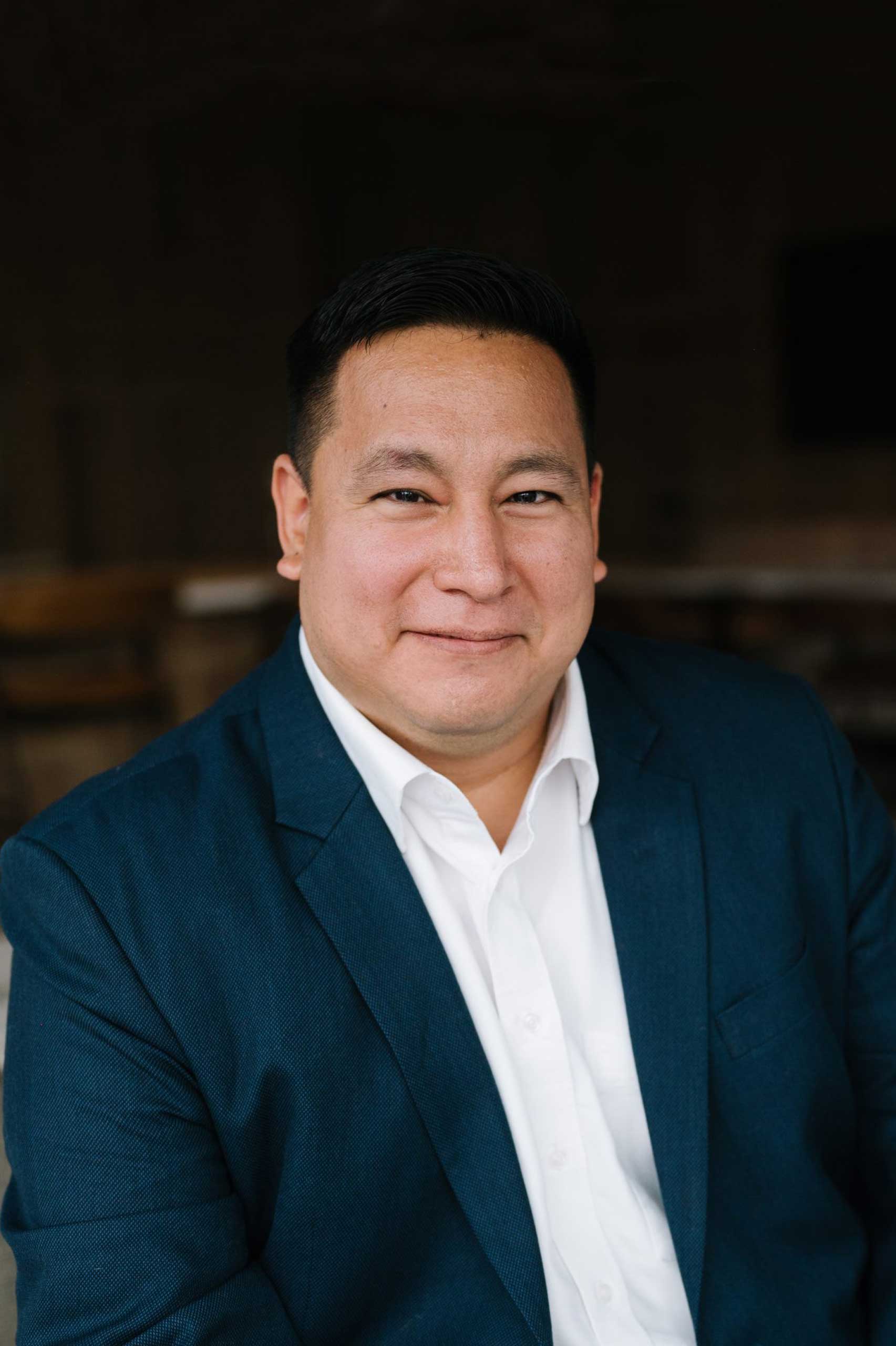
Hispanic Heritage Month with Board Member Jerry Rivera
September 29, 2026
Read More

BCS partners with communities to build a Brooklyn where all residents have access to the education, employment, housing, and other essential resources they need to thrive. We recognize the dignity, strengths, and talents of our neighbors, and have worked since 1866 to support resilient communities.
Brooklyn Community Services
PO BOX 24630
Brooklyn, NY 11202
Connect with us





Copyright © 2026 All Rights Reserved. Designed by FBC.